Honest guides and gear picks for solar power, portable generators, camping setups, and van life electrical systems.
Grid Escape started with weekend camping trips, a few too many dead batteries, and a family that kept coming back for more anyway. We believe the best memories happen away from outlets — around a fire, on a trail, or parked somewhere with a great view.
Whether you're planning your first family camping trip, upgrading the van for a summer of road life, or just want the lights to stay on at home, we're here to help you get outside — and stay powered up — with your people.
From power banks to base layers, the right gear is the difference between a trip that goes smoothly and one that ends early. We've put together the essentials worth packing, whether you're headed out for a weekend or living off-grid full time.
Our picks cover portable power, lighting, cookware, and cold-weather layers — tested against real camping and van life conditions, not just spec sheets.
We start with the spec sheets, manufacturer claims, and what real owners report after months of use.
Capacity, output, recharge speed, and weight — lined up side by side against similar gear in its class.
The "best" station or panel depends on the trip. We sort picks by who they actually fit.
We only feature gear we'd suggest to a friend — with the trade-offs stated plainly, not buried.
Whether you're prepping for storm season, running a weekend camp kitchen, or keeping a home office alive through an outage, a portable power station is the fastest way to stay powered when the grid goes down. We lined up four current standouts — including two from Bluetti — on the specs that actually matter: capacity, output, recharge speed, and weight.

Best for: pocket-size backup for phones and small devices
Check Price →
Best for: running a CPAP machine through the night
Check Price →
Best for: a base setup you can grow with add-on batteries
Check Price →
Best for: a compact starter kit with solar charging built in
Check Price →A free PDF checklist to help you size and plan your first solar or battery setup — no guesswork.
The research keeps landing on the same conclusion — time outdoors together changes how families connect.
of campers say happiness is their #1 reason for going camping, more than any other motivation surveyed.
of regular campers report having optimal mental health ("flourishing"), compared to non-campers.
of campers say the trip meaningfully improved their overall health and wellbeing, not just their mood in the moment.
is the average time US families spend actively bonding each day — a single weekend around the fire can outpace it.
of campers go specifically to disconnect from screens and everyday stress, together as a family.
Sources: The Outjoyment Report (Sheffield Hallam University & Camping and Caravanning Club, 2022); U.S. Bureau of Labor Statistics time-use data.
Short description of the setup, what makes it worth the trip, and what to expect on-site.
View Details →Short description of the setup, what makes it worth the trip, and what to expect on-site.
View Details →Short description of the setup, what makes it worth the trip, and what to expect on-site.
View Details →Off-grid power decisions come with real trade-offs. Here's what we get asked most, answered straight — no upsell, no vague specs.
Most 12V mini-fridges draw around 40-60W continuously. A 100W panel usually keeps one running through a full day of direct sun, but cloudy days or higher-draw fridges may call for 150-200W plus a battery buffer overnight.
A power station stores energy in a battery and is silent and fume-free, but has a fixed capacity. A generator burns fuel to produce power continuously — it can run indefinitely with fuel, but it's louder and needs ventilation.
It depends on the station's watt-hour (Wh) capacity and what you're powering. As a rough guide, a 500Wh station runs a laptop for 8-10 hours or a small fridge for about half a day. Our power calculator can estimate your exact setup.
Only with a high-capacity station (2000Wh+) and a large enough inverter, since AC units draw a heavy startup surge. For most van life setups, a power station suits lights, fans, and electronics better than full AC.
No — nearly all power stations have a built-in inverter and standard AC outlets, so regular household devices plug in directly. A separate inverter is only needed wiring power straight from a battery bank without a station in between.
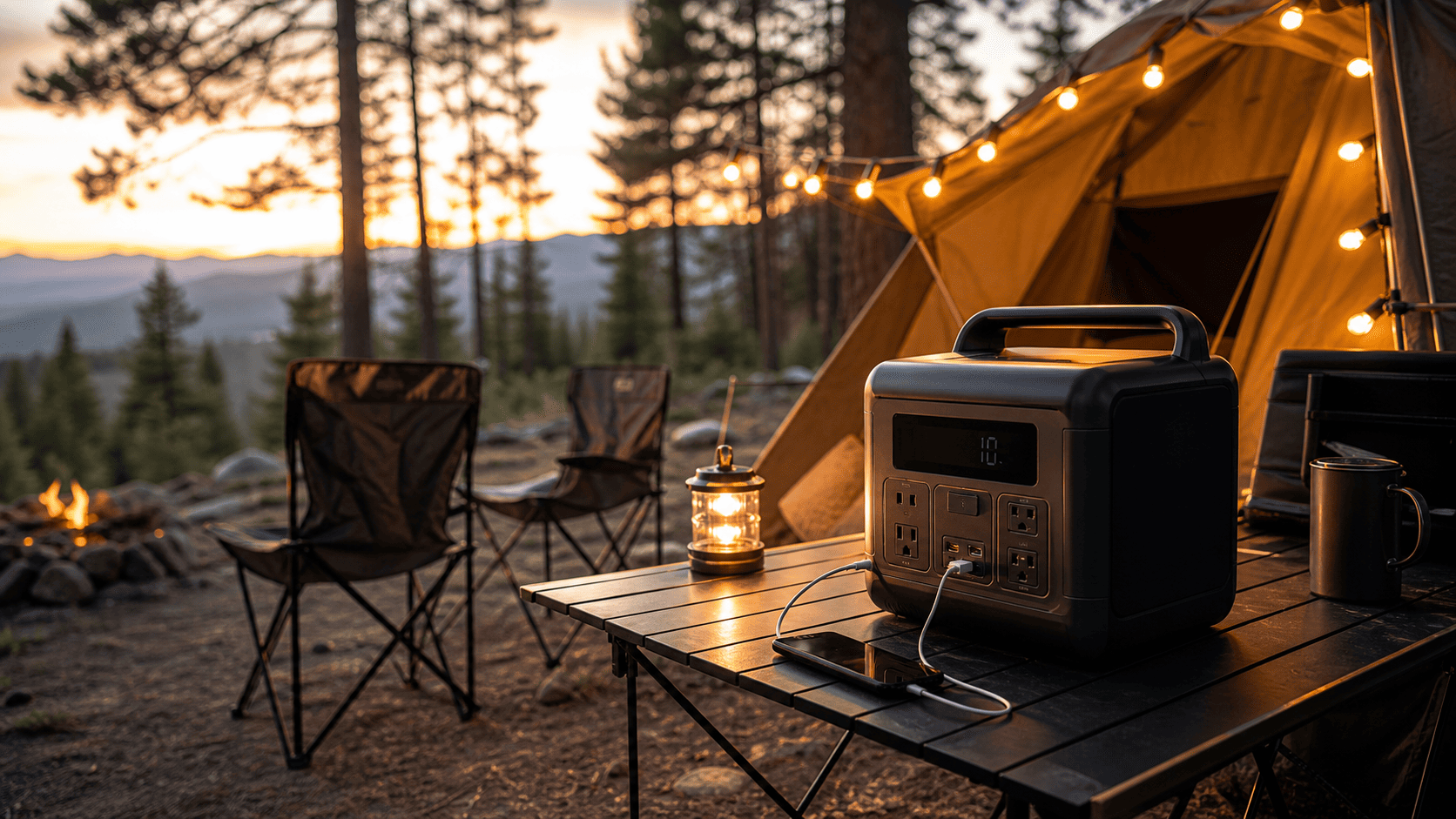
A side-by-side look at capacity, output, and recharge speed across today's top camping power stations.

The essentials worth carrying on your first serious hike, and the "must-haves" that usually aren't.
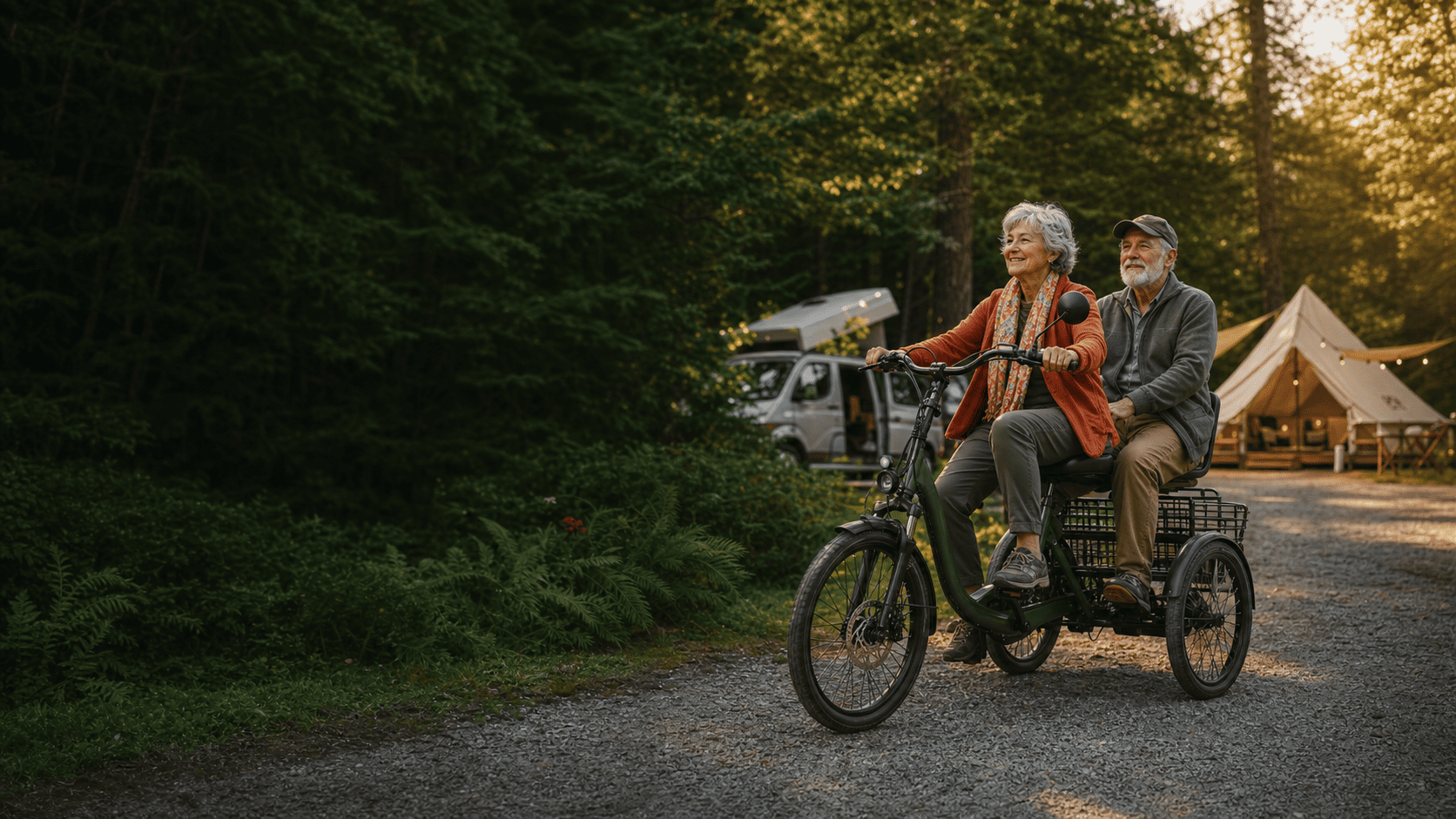
How a stable, easy-to-ride e-trike can help older relatives get around a campground or glamping resort comfortably.
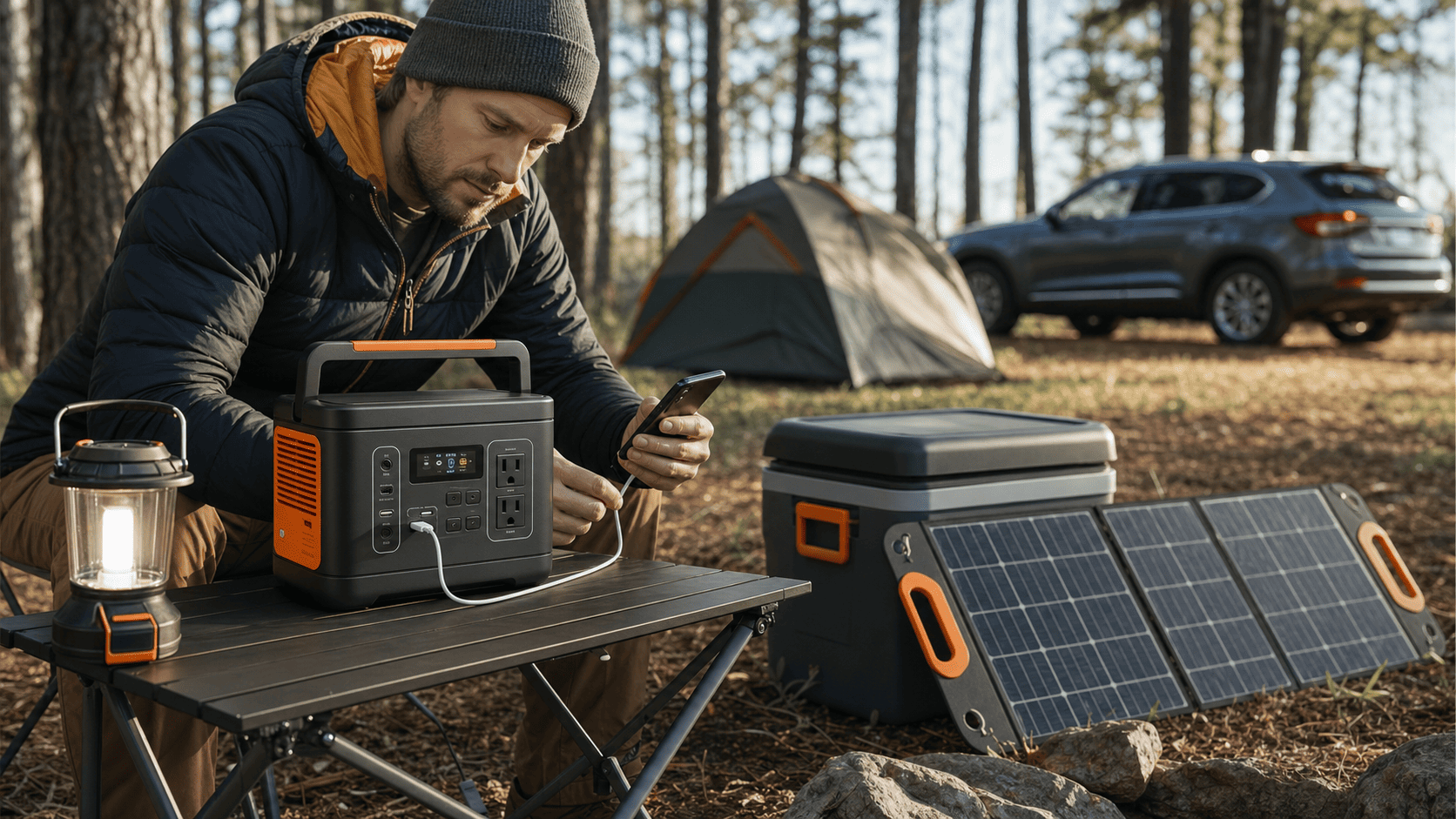
How to translate watt-hour ratings into "will this actually run what I need it to."